
Share your email and we'll share the latest news
Exclusive economic intelligence, political and business coverage
Tuesday, October 27 2026
Tuesday, October 27 2026

MONETABRIEF – US inflation in August 2026 rose 3.4 percent from a year earlier, far higher than the agency's target level amid high levels of excess liquidity, while countries with better operating frameworks reported lower levels.
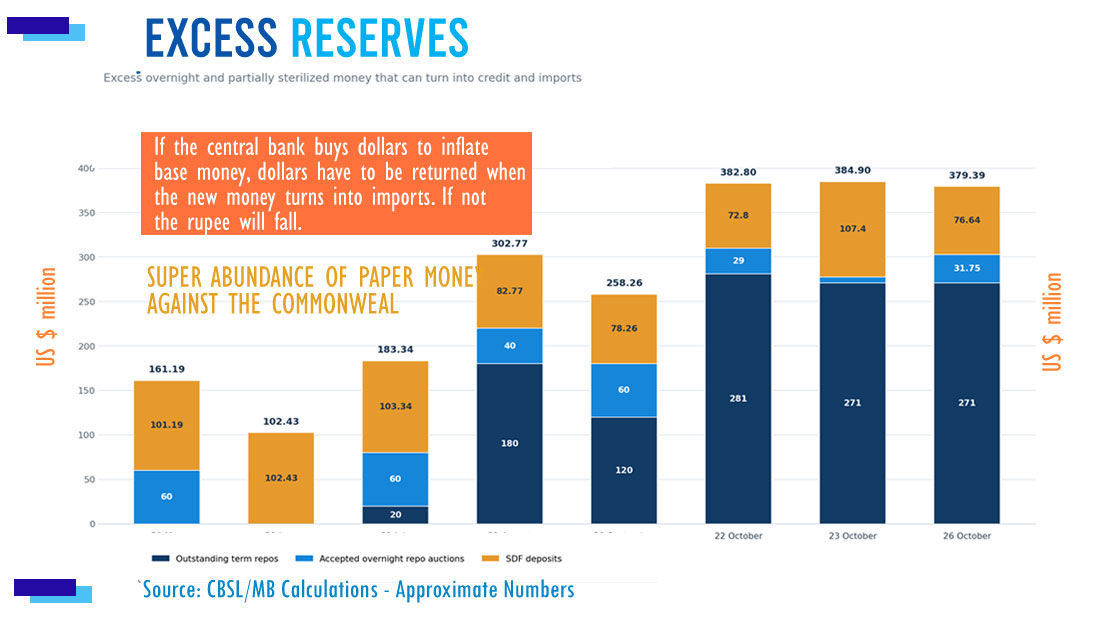
When there are high levels of excess liquidity under ample or abundant reserve regimes which can be given as credit, the price rise of one good does not squeeze spending on others.
Prices of items in the index jumped 0.4 percent in August, up from 0.1 percent in July.
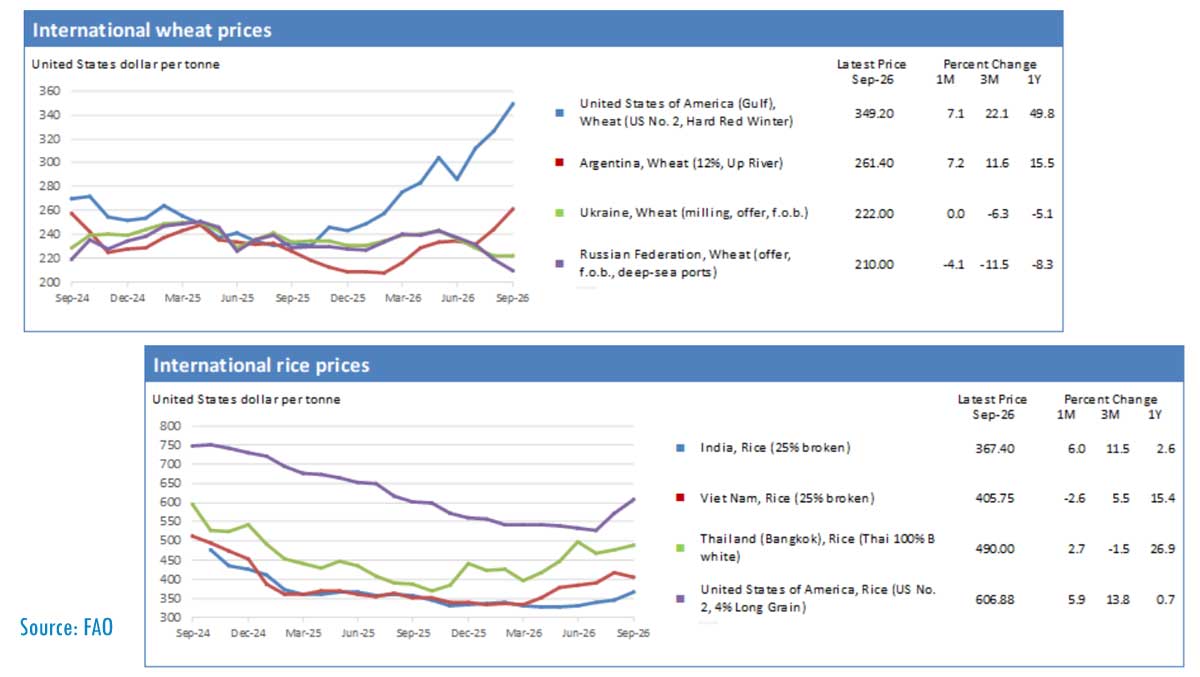
Food at home rose 2.2 percent and food away from home 3.4 percent.
In sharp contrast to the Fed, inflation in Sweden, where the Sveriges Riksbank had almost returned to a scarce reserve regime, was only 0.3 percent in August.
Switzerland which also has a better central bank, which run a regime partly involving the exchange rate drive excess liquidity rose 0.8 percent.
Inflation in the Euro area was 3.3 percent, where there is abundant reserve regime which is being tapered and rates were raised recently as inflation continued to go up.

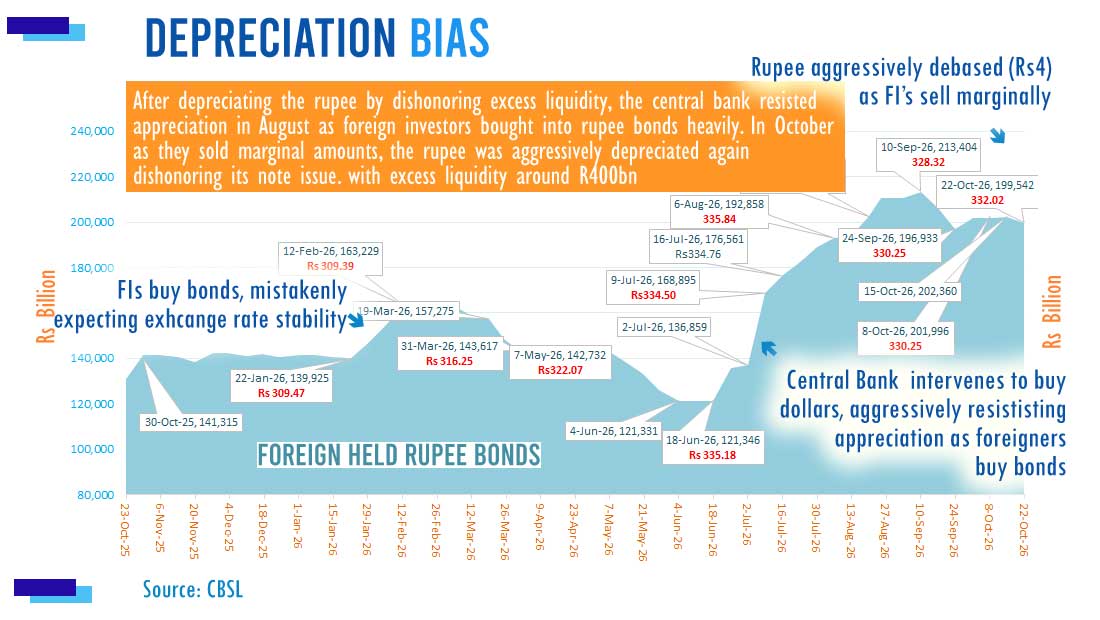
In Sri Lanka where the central bank tries to operate an inflation targeting regime (domestic anchor) without a clean floating regime, while printing money through a peg (external anchor) dishonored its note issue under 'exchange rate as the first line of defence' in 2026 and and collapsed the rupee from 310 to 330, after busting it progressively from 300 over the previous year.
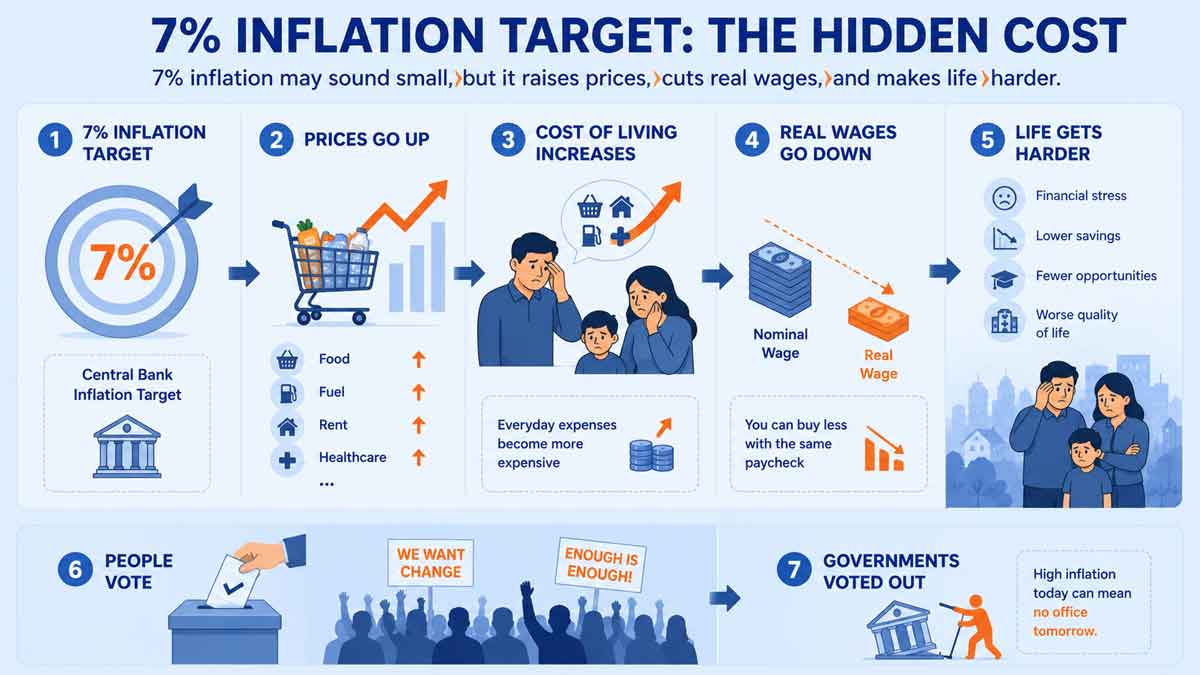
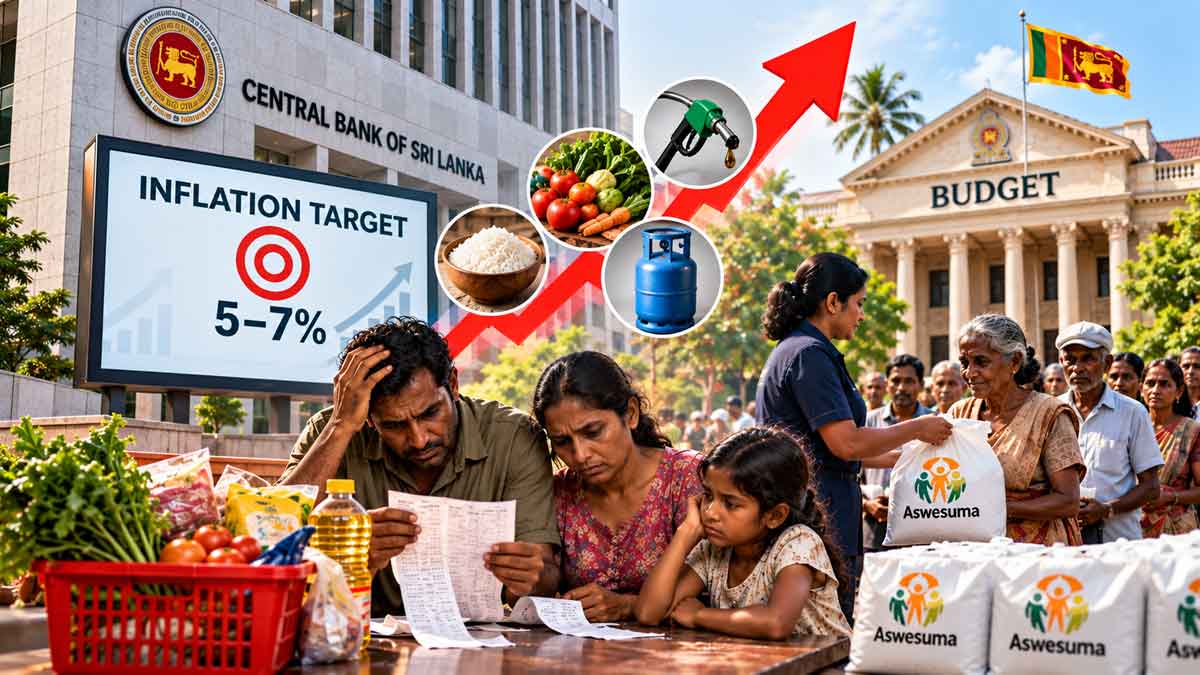
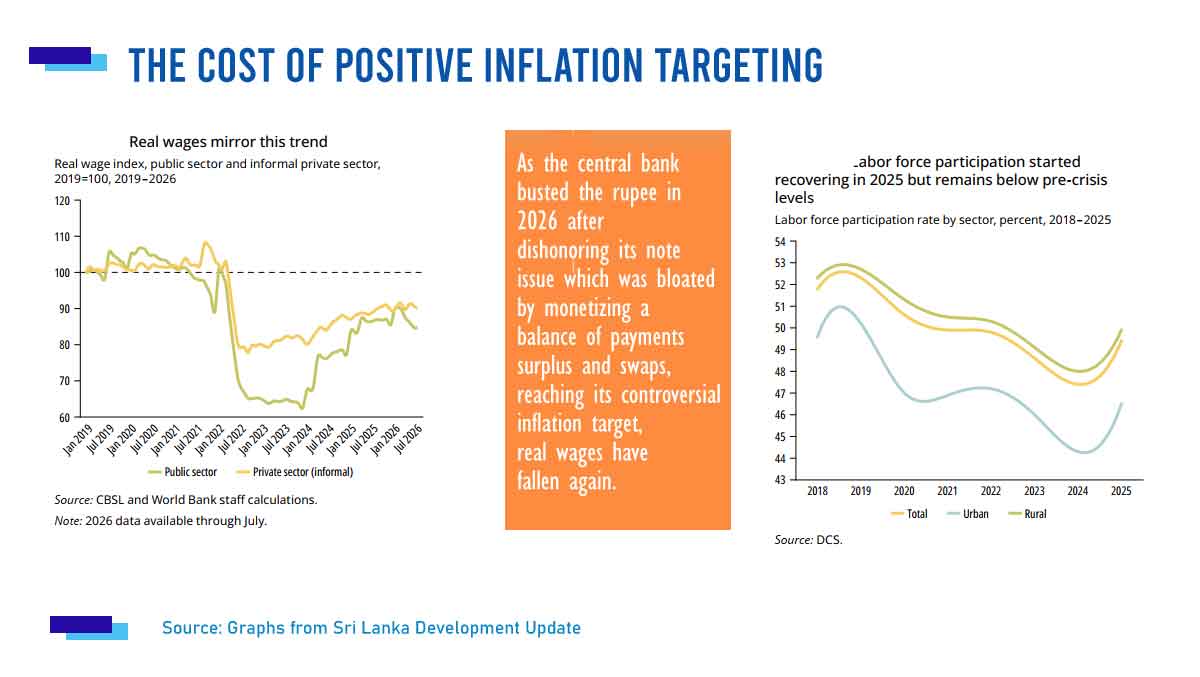
Inflation rose 8.0 percent in August 2026, higher than the central bank's controversial 5-7 percent target destroying the monetary stability achieved up to around the second quarter of 2025.
The central bank is insisting on the 7 percent inflation under its monetary law, which was also written by macro-economists, showing that the parliament has made a grave error in giving 'independence' to an agency with an inflation and depreciation bias.
The insistence on high inflation, which leads to destroyed wages and pension funds of an ageing population and the collapse of the rupee in a budget surplus has also shown that macro-economists are the source of the country's economic troubles.
While macro-economists succeeded in in reflating the credit system and triggering an external crisis without war it has turned the electorate against a government that ran a budget surplus.
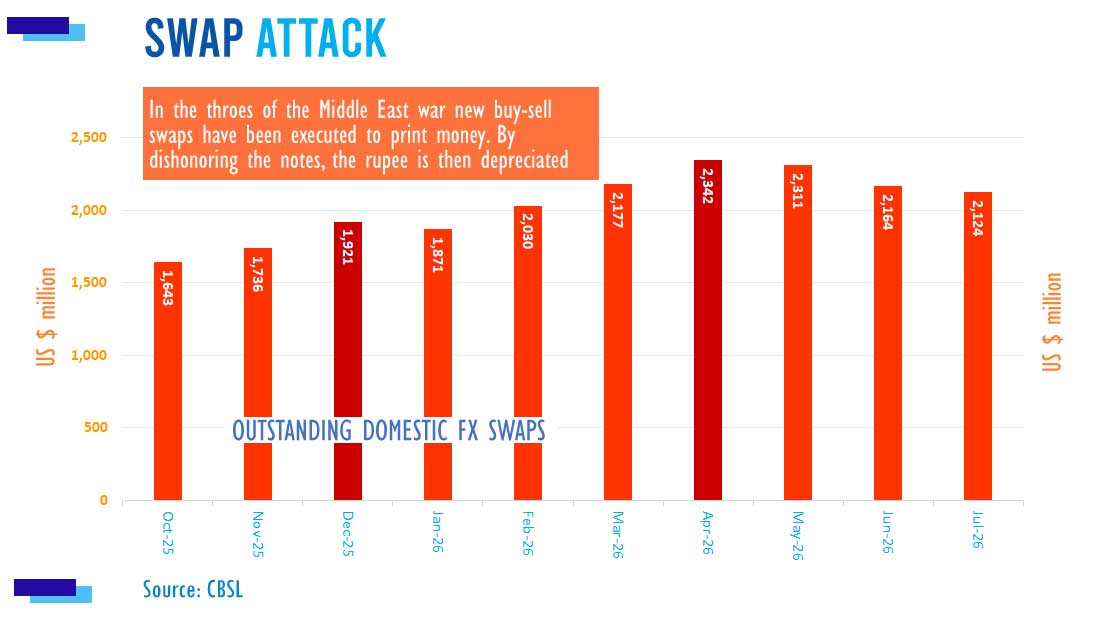
Attempts are now being made to restrain the inflation bias of the agency through a lower target from 2026, but the agency can still trigger instability and political unrest through dishonoring its notes, printing money through swaps to inflate the system.
There is no accountability for busting the rupee or the high inflation.
(Colombo/Sept11/2026)

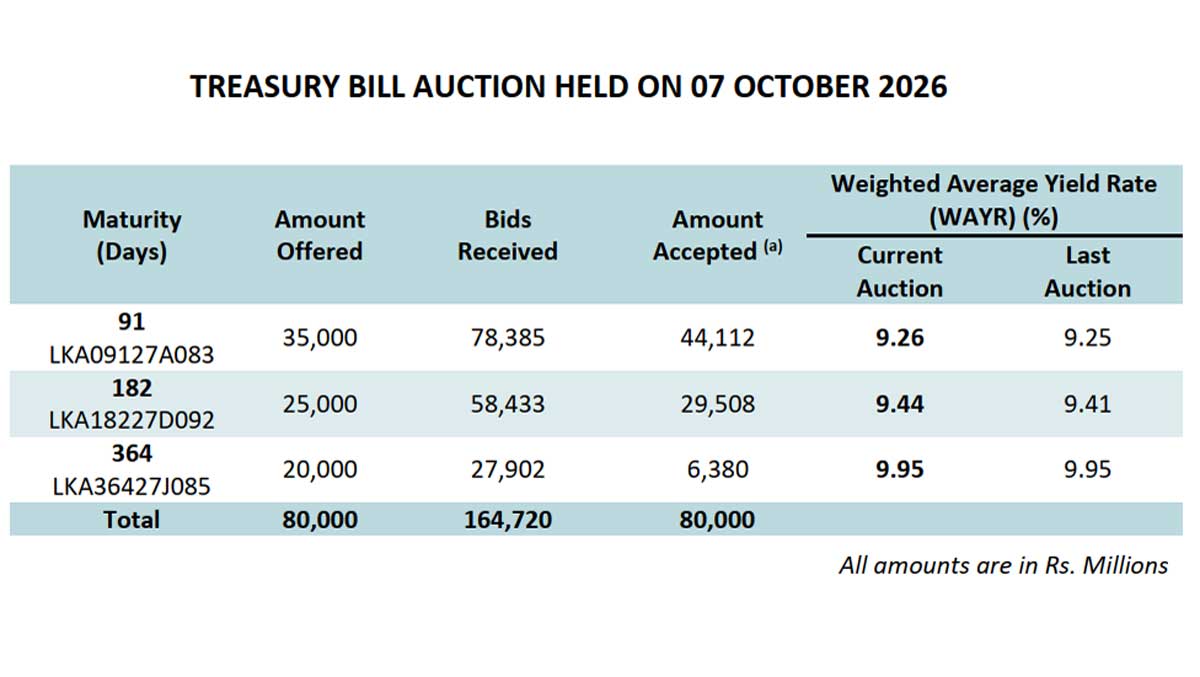
| 3 month bill | 9.26% | 1bp ▲ |
| 12-m bill | 9.95% | 2bp - |
| Gold (Ounce) | $4015 | - ▼ |




















Comments
Be the first person to comment and join the debate